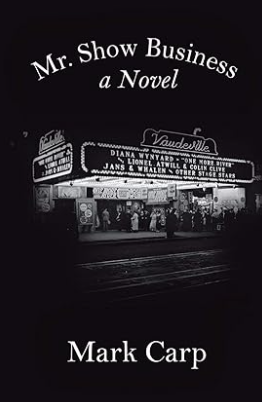
I always wanted to do a story on a comedian who had fallen on hard times and had become depressed. Sometimes, I believe, comedians can make people happy while they themselves are depressed. It's as if the comic becomes the alter ego.
In addition, I wanted to depict the story in a time period that covered the eras of silent movies, the Roaring Twenties, the emergence of talking pictures, the rise of commercial radio, the Great Depression, World War II, and the emergence of commercial TV in the late 1940s and early to middle 1950s, when Jackie achieves superstardom.
I wanted to do a story that depicts the pressures and the perfidy of the world of show business, where one's ascendance can have a short shelf life and the impact can be devastating to the protagonist and his family.
The unique theme of the book is Jackie's ambition to return to stardom cannot be deterred in spite of his fathering a son out of wedlock who has become a major playwright; burying a daughter who dies from a drug overdose when she was a famous rock star; and a messy divorce from his wife, who also was a show business personality.